A structured waste management plan is no longer optional for growing communities, commercial spaces, and modern industries. It is now a central part of environmental responsibility, cost control, and long-term sustainability.
In recent years, the combination of solid waste management and dumpster rentals has become one of the most practical solutions for organizations that want to manage waste in a clean, safe, and compliant way. Because the need for these services continues to rise, understanding how they work and why they matter is essential.
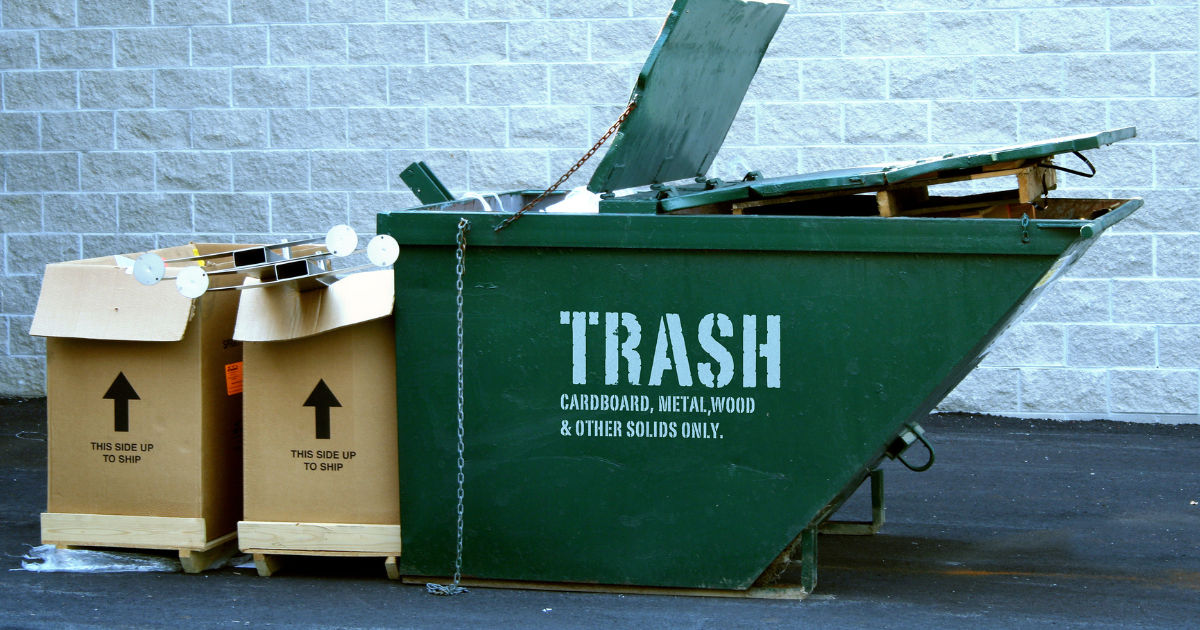
This guide explores the many advantages that come with a well-designed plan built around solid waste management and dumpster rentals. From cleaner environments to better financial performance, the benefits extend far beyond simple trash removal. As you move through this comprehensive discussion, you will learn how a structured approach can improve operations, prevent hazards, enhance community satisfaction, and promote a greener future.
Structured Waste Management Plan
A structured waste management plan outlines how waste is collected, stored, transported, processed, and disposed of. It relies heavily on systems like solid waste management and dumpster rentals to maintain order and efficiency.
Instead of reacting to waste problems as they happen, this type of plan creates long-term organization. It guides the workforce, provides clear schedules, and establishes guidelines for handling every type of waste safely.
The combination of solid waste management and dumpster rentals also ensures that facilities stay compliant with environmental laws. Regulations for waste are becoming stricter every year, and businesses must stay updated to avoid fines or community backlash.
A plan works only when it is consistent. With scheduled pickups, assigned dumpsters, and trained staff, the process becomes predictable and reliable. This structure benefits everyone—from employees to customers to local residents.
Why Waste Management Matters Today
Modern societies produce more waste than ever. Without structured practices, communities face pollution, health hazards, and overwhelming clutter. That is why the use of solid waste management and dumpster rentals has grown into a necessary solution rather than a convenience.
Cities face pressure to reduce landfill waste, companies face pressure to reduce their environmental footprint, and individuals face pressure to dispose of household waste responsibly. A proper plan helps meet these expectations efficiently.
More importantly, global awareness about environmental care has increased. People want cleaner streets, safer workplaces, and greener lifestyles. Businesses that fail to implement structured waste strategies risk losing credibility and trust.
Organizations that adopt well-planned solid waste management and dumpster rentals show they care about long-term sustainability. This responsibility improves public perception and helps create eco-friendly habits across communities.
Environmental Benefits of a Structured Waste System
A strong waste management plan significantly reduces environmental harm. By using solid waste management and dumpster rentals, organizations can control waste at the source and reduce pollution before it spreads.
A key environmental advantage is reduced landfill overflow. Dumpsters encourage proper disposal, preventing trash from ending up in rivers, forests, or open lands. When waste is organized, recyclable materials are easier to separate and reuse.
The reduction of greenhouse gasses also becomes possible. Less burning, less scattering, and fewer unregulated dumping areas help reduce toxic emissions. These improvements support cleaner air and a healthier ecosystem.
One of the greatest strengths of solid waste management and dumpster rentals is that they encourage recycling. Facilities that adopt structured waste systems often increase their recycling rates dramatically. This reduces the strain on natural resources and boosts environmental conservation.
When recycling practices are followed consistently, communities experience cleaner surroundings, safer public areas, and more efficient waste processing. Over time, this leads to healthier soil, cleaner water, and improved wildlife protection.
Health and Safety Improvements
When waste is mismanaged, it introduces health risks. Rotting organic matter attracts pests. Sharp objects cause injuries. Chemical waste creates toxic exposure. A structured plan prevents all these hazards.
Using solid waste management and dumpster rentals helps keep waste sealed and contained. Dumpsters prevent animals from accessing garbage, and they limit harmful odors. This reduces the spread of bacteria and disease.
Workplaces benefit the most from a well-organized system. Employees no longer worry about debris blocking walkways, hazardous spills, or unmarked waste containers. Instead, they follow clear guidelines that keep everyone safe.
Construction sites especially require strict rules. They generate large volumes of waste that can cause accidents when not handled correctly. A scheduled system using solid waste management and dumpster rentals eliminates clutter, reduces falls, and prevents chemical exposure.
Employees also feel safer when they know that the environment around them is controlled and predictable. This directly leads to higher morale and stronger teamwork.
Financial Advantages for Businesses
Many people believe waste management is only an expense. In reality, structured systems offer significant financial benefits. By optimizing solid waste management and dumpster rentals, organizations save money in multiple areas.
One of the biggest savings comes from reduced labor costs. When dumpsters are available, workers spend less time handling waste manually. This allows them to focus on productive tasks instead of cleaning up.
Overfilled trash cans and messy environments can also lead to costly repairs or fines. With a structured plan, these risks decrease. Scheduled pickups ensure that waste never accumulates to dangerous or expensive levels.
Businesses also save money by improving recycling efficiency. Many recycling centers offer credit or reduced disposal fees when materials are sorted properly. With solid waste management and dumpster rentals, sorting becomes easier and more consistent.
Another financial advantage is improved customer loyalty. People prefer to support businesses that maintain clean, professional spaces. A good reputation translates into higher sales, better partnerships, and long-term growth.
Operational Efficiency and Workflow Improvements
When waste piles up in random areas, it disrupts workflow. Workers waste time moving around clutter or searching for disposal options. A structured system eliminates these obstacles.
The combination of solid waste management and dumpster rentals creates uniformity. Workers know where to put waste, when pickups happen, and who is responsible for each step. This eliminates confusion.
Industrial facilities especially need smooth operations. Heavy machinery, large equipment, and high-traffic zones require waste-free pathways. When waste is collected in dedicated dumpsters, operations become faster and safer.
Office environments also benefit. Clean spaces increase focus, reduce stress, and promote professional behavior. With organized waste areas, employees can work without distractions caused by clutter.
Retail businesses require attractive and tidy spaces to attract customers. A structured plan prevents trash buildup behind the store, around entrances, and near loading docks. This supports smooth daily operations and enhances brand image.
Compliance With Local and Federal Regulations
Waste disposal is heavily regulated. Fines can be severe for businesses that violate rules. A structured plan ensures compliance with environmental laws, safety rules, and disposal standards.
By relying on solid waste management and dumpster rentals, companies can track their waste output. This helps them follow legal guidelines accurately and avoid violations.
Hazardous waste, chemicals, electronic waste, medical materials, and construction debris all require proper handling. A structured plan teaches workers how to separate and label waste correctly.
Authorities also appreciate organizations that maintain strict waste control. Compliance builds trust and demonstrates responsibility.
Businesses that ignore waste guidelines risk penalties, shutdowns, or lawsuits. With a system built around solid waste management and dumpster rentals, these risks are greatly reduced.
Community and Public Perception Benefits
A clean environment boosts community pride. People feel happier and safer when waste is managed properly.
Restaurants, schools, hospitals, retail stores, construction sites, and residential complexes all benefit when they adopt solid waste management and dumpster rentals. Public areas look cleaner, and neighborhoods remain healthy and pleasant.
Citizens appreciate businesses that keep their surroundings neat. This leads to stronger customer loyalty and improved community relationships.
Local governments also support these efforts because they reduce the burden on public waste services. When private organizations handle their waste responsibly, the entire community experiences better cleanliness.
A structured plan also reduces complaints from neighbors. Noise, odors, pests, and scattered trash become less common. People begin to trust that businesses care about their environment.
Long-Term Sustainability and Future Planning
Sustainability is one of the most important benefits of structured waste systems. By embracing solid waste management and dumpster rentals, organizations create long-lasting habits that support long-term environmental care.
A structured plan is not temporary. It becomes part of everyday operations. This long-term approach helps businesses predict future waste needs and adjust their systems accordingly.
As cities grow and industries expand, waste production increases. Without proper planning, these changes can overwhelm local systems. A structured approach prepares communities to handle future challenges effectively.
Sustainability also helps build stronger economies. When waste is controlled, resources are saved, pollution is reduced, and recycling becomes more efficient. This strengthens the community as a whole.
The principles of solid waste management and dumpster rentals encourage responsible decision-making. They teach people to prioritize environmental care, smart resource use, and long-term planning.
Practical Steps to Implement a Structured Waste Management Plan
Creating an effective plan requires careful planning. Here are the essential steps:
Assess Current Waste Levels
Start by evaluating how much waste your facility produces. Understanding your current volume helps determine which solid waste management and dumpster rentals services you need.
Identify Waste Types
Different waste categories require different handling methods. Separating organic waste, recyclables, hazardous materials, and general trash makes processing easier.
Choose the Right Dumpster Sizes
Selecting properly sized dumpsters prevents overflow and reduces costs. Each business has different needs, and solid waste management and dumpster rentals allow customized choices.
Establish a Pickup Schedule
Scheduled pickups keep waste levels under control. Consistency prevents buildup and helps maintain clean surroundings.
Train Staff and Residents
People must understand how to use the waste system correctly. Training helps prevent contamination and ensures compliance.
Monitor and Adjust the Plan
Review the plan regularly. Waste needs change, and a structured system using solid waste management and dumpster rentals must adapt to stay effective.
How Dumpster Rentals Support Waste Efficiency
Dumpster rentals are a core part of any structured waste plan. They provide convenience, capacity, and flexibility.
Dumpsters simplify waste collection because they centralize disposal. Instead of spreading trash across multiple bins, everything goes into a controlled container.
This improves speed and reduces clutter. The convenience offered by solid waste management and dumpster rentals allows employees to focus on productivity instead of waste handling.
Dumpsters are also available in different sizes, which makes them suitable for every environment—residential, commercial, and industrial. Whether the goal is to clean out a home or manage debris from a construction site, dumpsters are essential.
Pickups are also handled by professionals. This eliminates the need for businesses to manage transport themselves, reducing liability and labor costs.
Encouraging Responsible Behavior Through Structured Systems
When people see organized systems, they follow them more easily. This is why solid waste management and dumpster rentals encourage responsible behavior.
Clear instructions reduce confusion. Properly placed dumpsters encourage people to dispose of waste in the right place. Labels and signs help workers identify recycling options.
Communities and workplaces that adopt structured waste plans often see behavior improve naturally. People feel motivated to keep the area clean because everyone participates.
This shared responsibility leads to long-term cultural change. Over time, waste management becomes automatic and expected.
The Role of Recycling in a Structured Plan
Recycling is one of the strongest components of modern waste systems. It helps reduce the load on landfills and transforms waste into reusable material.
A structured plan using solid waste management and dumpster rentals makes recycling easier by providing dedicated areas for recyclable waste. This separation boosts efficiency and increases recycling rates.
When recycling becomes part of everyday operations, organizations save money and improve environmental impact. Materials like glass, metal, plastic, and paper can be processed and reused instead of wasted.
This helps conserve energy, reduce emissions, and protect natural resources.
Case Study-Style Examples of Benefits
Construction Sites
Construction projects generate large volumes of debris. With solid waste management and dumpster rentals, workers maintain safer sites, reduce accidents, and improve workflow.
Restaurants
Food waste requires quick removal. Dumpsters help control odors, prevent pests, and keep kitchens clean.
Schools
Students and staff benefit from clean campuses. Structured systems teach students about responsibility and sustainability.
Residential Complexes
Residents appreciate clean surroundings, safe disposal areas, and reduced pest problems.
In all cases, the combination of solid waste management and dumpster rentals improves quality of life, efficiency, and safety.
Final Thoughts
A structured waste management plan is one of the most valuable investments a business, community, or homeowner can make. It promotes safety, protects the environment, supports financial efficiency, and improves public perception. The combined strength of solid waste management and dumpster rentals creates a powerful solution that brings long-term benefits.
From reducing pollution to improving workflow, the advantages are too significant to ignore. With rising environmental challenges, adopting a structured approach is essential for a sustainable and healthy future.
